
Why Is Ceramic Socket Essential for High-Temperature Electrical Applications?
Ceramic sockets are widely used in industrial lighting, heating equipment, automation systems, and high-temperature electrical environments. Their outstanding thermal resistance, electrical insulation, and durability make them a preferred solution where ordinary plastic sockets fail. This comprehensive guide explains how ceramic sockets work, their advantages, applications, maintenance methods, and how to choose the right one for your business or project.
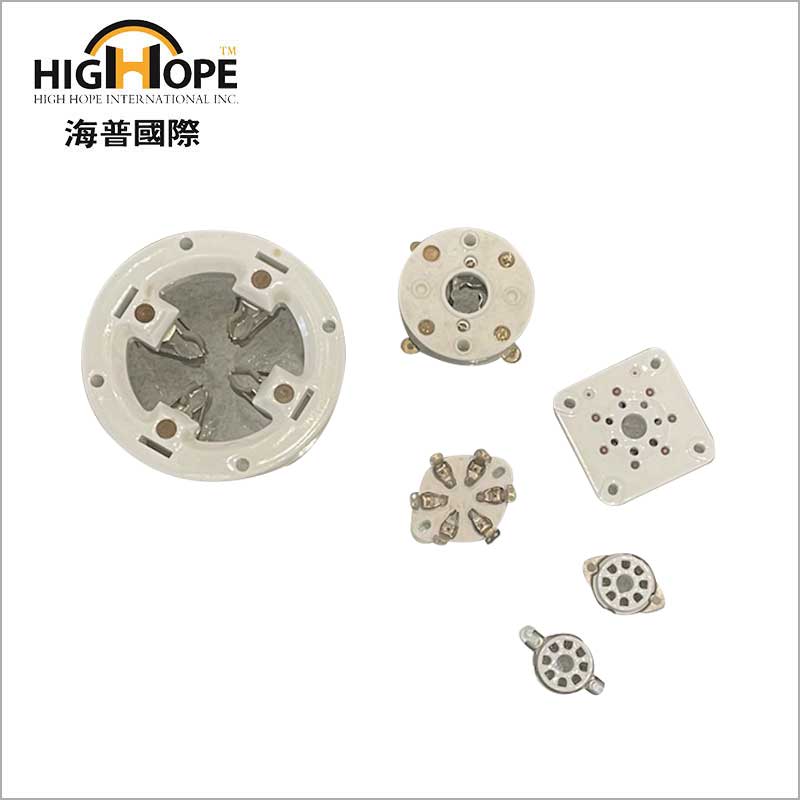
Article Summary
This article explores everything you need to know about ceramic sockets, including their structure, material advantages, industrial uses, safety features, maintenance tips, and purchasing considerations. Whether you are sourcing components for industrial equipment, lighting systems, or high-temperature devices, understanding ceramic socket performance can help improve operational safety and product lifespan.
Table of Contents
- 1. What Is a Ceramic Socket?
- 2. Why Are Ceramic Sockets Better Than Plastic Sockets?
- 3. What Materials Are Used in Ceramic Sockets?
- 4. Where Are Ceramic Sockets Commonly Used?
- 5. How Do Ceramic Sockets Improve Safety?
- 6. What Types of Ceramic Sockets Are Available?
- 7. How to Choose the Right Ceramic Socket?
- 8. Common Problems and Solutions
- 9. Maintenance Tips for Longer Service Life
- 10. Industrial Trends and Innovations
- 11. Frequently Asked Questions
- 12. Conclusion
1. What Is a Ceramic Socket?
A ceramic socket is an electrical connector or holder made primarily from heat-resistant ceramic materials. It is designed to support electrical components such as lamps, heating elements, or industrial equipment operating under high temperatures and demanding conditions.
Unlike standard plastic sockets that may soften, deform, or melt under heat exposure, ceramic sockets maintain structural stability and insulation performance even in extreme environments.
Main Characteristics of Ceramic Sockets:
- Excellent heat resistance
- Strong electrical insulation
- Long operational lifespan
- Resistance to corrosion and chemicals
- Mechanical durability
Ceramic sockets are commonly found in industrial ovens, high-power lighting systems, infrared heating equipment, automotive systems, and laboratory instruments.
2. Why Are Ceramic Sockets Better Than Plastic Sockets?
One of the biggest challenges in electrical systems is heat management. Plastic materials can degrade over time when exposed to elevated temperatures, while ceramic materials remain stable.
| Feature | Ceramic Socket | Plastic Socket |
|---|---|---|
| Heat Resistance | Very High | Moderate |
| Fire Resistance | Excellent | Limited |
| Durability | Long-lasting | Shorter lifespan |
| Electrical Insulation | Superior | Average |
| Industrial Use | Highly Suitable | Limited |
Ceramic sockets are especially valuable in environments where continuous heat exposure would quickly damage traditional socket materials.
In industrial production facilities, equipment downtime caused by component failure can be extremely costly. Ceramic sockets reduce this risk significantly due to their robust construction.
3. What Materials Are Used in Ceramic Sockets?
Ceramic sockets are manufactured using specialized ceramic compounds that provide exceptional thermal and electrical properties.
- Porcelain Ceramic
- Steatite Ceramic
- Alumina Ceramic
- Cordierite Ceramic
Among these materials, alumina ceramic is particularly popular because of its high dielectric strength and mechanical durability.
| Material | Main Benefit | Typical Use |
|---|---|---|
| Porcelain | Cost-effective insulation | Lighting systems |
| Alumina | High strength and heat resistance | Industrial machinery |
| Steatite | Good dimensional stability | Electrical appliances |
| Cordierite | Thermal shock resistance | Heating equipment |
4. Where Are Ceramic Sockets Commonly Used?
Ceramic sockets serve critical roles across multiple industries because of their ability to withstand harsh conditions.
Common Applications:
- Industrial ovens and furnaces
- Halogen and HID lighting systems
- Infrared heaters
- Automotive lighting systems
- Laboratory equipment
- Commercial cooking appliances
- High-temperature manufacturing systems
In lighting applications, ceramic sockets are often paired with high-wattage bulbs because they can safely handle the heat generated during long operating periods.
Industrial manufacturers also rely on ceramic sockets in environments exposed to vibration, thermal cycling, and continuous operation.
5. How Do Ceramic Sockets Improve Safety?
Electrical safety is a major concern in both residential and industrial systems. Ceramic sockets help minimize fire hazards and equipment failure.
- Prevent melting under extreme heat
- Reduce short-circuit risks
- Improve insulation performance
- Lower fire hazards
- Maintain stable electrical contact
Safety is not just about compliance — it is about protecting equipment, production lines, and human lives.
Ceramic materials are naturally non-combustible, making them ideal for demanding electrical installations where overheating may occur.
6. What Types of Ceramic Sockets Are Available?
Different applications require different ceramic socket configurations. Manufacturers provide a wide range of designs to meet industry needs.
| Socket Type | Application |
|---|---|
| Edison Ceramic Socket | General lighting |
| GU10 Ceramic Socket | LED and halogen lamps |
| G9 Ceramic Socket | Compact lighting fixtures |
| High-Temperature Heater Socket | Industrial heaters |
| Customized Ceramic Socket | Specialized industrial equipment |
Customized ceramic sockets are becoming increasingly common because modern industrial systems often require unique installation structures and operating parameters.
7. How to Choose the Right Ceramic Socket?
Selecting the correct ceramic socket depends on several important factors.
Key Selection Factors:
- Operating temperature
- Voltage and current requirements
- Installation environment
- Socket compatibility
- Mechanical strength requirements
- Moisture and chemical exposure
Buyers should also evaluate certification standards and manufacturing quality consistency when selecting suppliers.
For industrial projects, working with experienced manufacturers can reduce sourcing risks and improve long-term operational stability.
8. Common Problems and Solutions
Although ceramic sockets are highly durable, improper installation or poor-quality manufacturing may still lead to issues.
| Problem | Possible Cause | Solution |
|---|---|---|
| Loose connection | Poor terminal fastening | Retighten connections |
| Cracking | Mechanical impact | Use protective installation |
| Overheating | Excessive electrical load | Verify voltage specifications |
| Corrosion | Harsh environment exposure | Use corrosion-resistant terminals |
Regular inspection and proper installation techniques significantly reduce the likelihood of failure.
9. Maintenance Tips for Longer Service Life
Even durable components benefit from regular maintenance. Proper care can extend the operating life of ceramic sockets.
- Inspect wiring connections regularly
- Keep sockets clean from dust and debris
- Avoid excessive mechanical force
- Monitor operating temperatures
- Replace damaged terminals immediately
Preventive maintenance is especially important in industrial environments where continuous operation places heavy stress on electrical systems.
10. Industrial Trends and Innovations
Modern ceramic socket technology continues to evolve as industries demand higher efficiency and improved reliability.
Emerging Trends:
- Compact high-temperature socket designs
- Enhanced thermal shock resistance
- Smart industrial integration
- Improved corrosion-resistant terminals
- Custom-engineered ceramic formulations
As industrial automation grows, the demand for durable and heat-resistant electrical components will continue increasing globally.
11. Frequently Asked Questions
Q1: Are ceramic sockets better for high-temperature applications?
Yes. Ceramic sockets are specifically designed to withstand extreme heat conditions where plastic sockets may fail.
Q2: Can ceramic sockets crack easily?
Ceramic materials are strong but can crack under heavy physical impact. Proper installation minimizes this risk.
Q3: Are ceramic sockets suitable for LED lighting?
Yes. Many LED and halogen lighting systems use ceramic sockets for improved thermal management.
Q4: How long do ceramic sockets last?
With proper usage and maintenance, ceramic sockets can provide years of reliable performance.
Q5: Can ceramic sockets be customized?
Yes. Many manufacturers provide custom ceramic socket solutions for specialized industrial applications.
12. Conclusion
Ceramic sockets play an essential role in modern electrical systems, especially in environments involving high temperatures, heavy electrical loads, and demanding industrial conditions.
Their exceptional thermal resistance, insulation capability, and long-term durability make them a reliable solution for lighting systems, industrial machinery, heating equipment, and specialized applications.
Businesses that prioritize equipment reliability and operational safety often choose ceramic sockets to improve overall system performance and reduce maintenance costs.
High Hope International Inc provides dependable ceramic socket products designed for industrial durability, thermal resistance, and long-term performance. Whether you need standard models or customized solutions, our experienced team is ready to support your project requirements. Contact us.
Send Inquiry


X
We use cookies to offer you a better browsing experience, analyze site traffic and personalize content. By using this site, you agree to our use of cookies.
Privacy Policy